
I read with horror today (March 2026), how China has developed high-rise pig farms, dubbed ‘pig skyscrapers’. Having searched this term, I now find an article from 3 years ago concerning the same story (Guardian Story about pig skyscrapers). Now I am wondering why I am horrified.
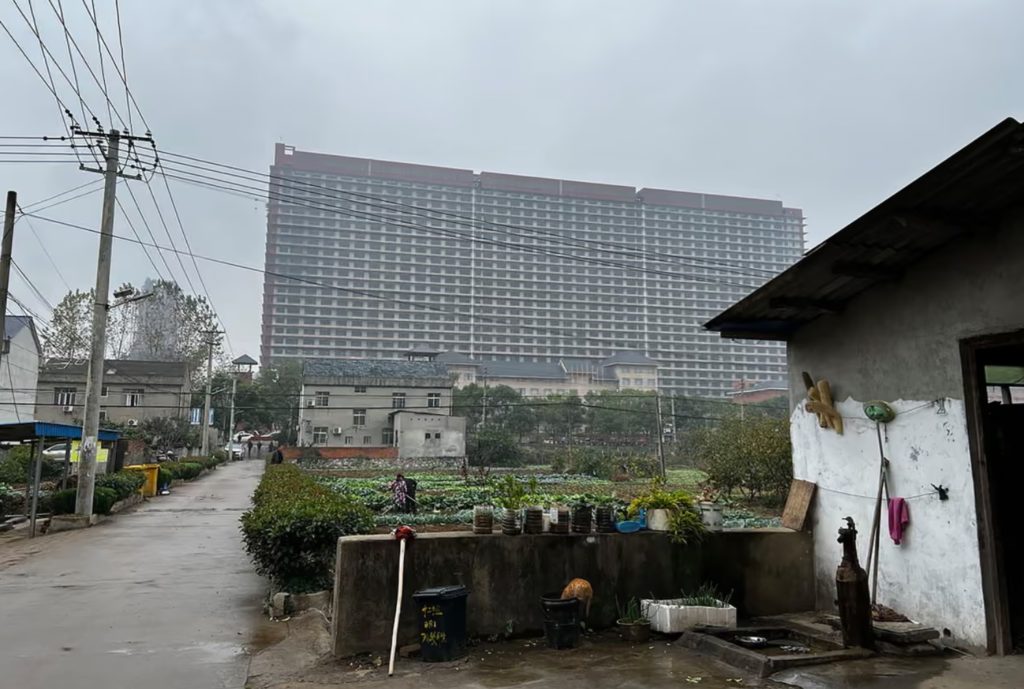
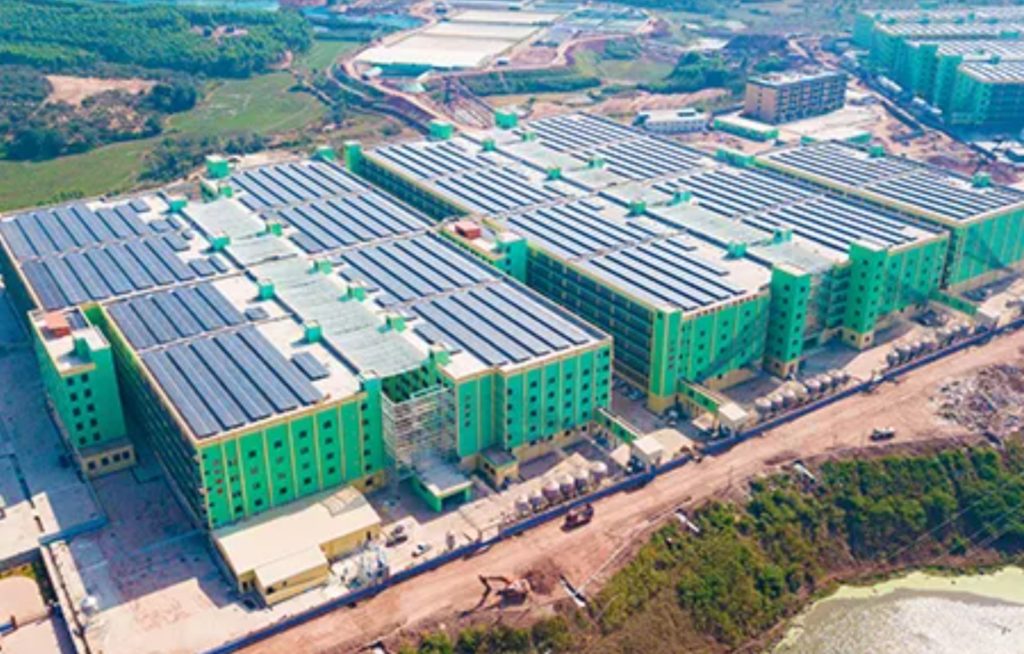
The world’s biggest pig farm is 26 storeys high. Located in Hubei, China, it was developed to ‘save land’ and to have integrated breeding, rearing and slaughter within the same building. Apparently, there are many other such ‘farms’ of up to 6 storeys high used to rear pigs, and other animals, in Vietnam and Cambodia. It hasn’t caught on in Europe though, given concerns about animal welfare.
These farms are often located in rural areas…. where there appears to be plenty of cheaper land. I guess there are plenty of people in the area who know how to rear pigs as well, so the loaction makes sense; not to mention the smell.
Why do this? Better bio-safety and automation. China has given permission for these high-rise buildings since 2019, with over 200 planned. Can you refute the logic? Zhu Zengyong, a professor at the Institute of Animal Science of Chinese Academy of Agricultural Sciences said, “Inevitably, the pig farming industry is heading towards a highly automatic and intelligent future, and the standards and threshold for pig farmers will become higher as a result,” What’s not to like?
Why am I shocked about high-rise farming?
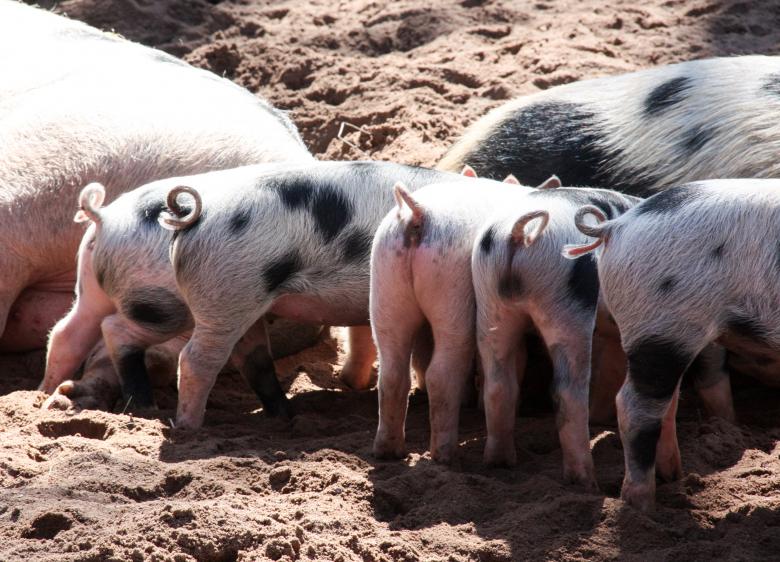
Why am I so shocked? Afterall, I don’t really know much about pig farming, or for that matter industrial farming of any sort. I suppose my image of pig farms is what we see in East Anglia, with relatively large free-range pens for groups of 10 or so sows to rear their piglets. I have no idea where the slaughter house is, but we’ve all seen trucks full of sheep, pigs and cattle on the road to somewhere.
On reflection, most of my other images of farms, including pig farms, is that promoted and publicised by food brands. Even a four-year-old knows the cows on a pack of Dairylea aren’t how cows really look, but other brands are more subtle about it. Having said that, is Dairylea actually cheese?
Most mainstream cheese brands are probably created in the studio. I can hear the brand director saying ‘we want it to sound authentic, with associations to natural health and rural life’. But the stuff is probably produced in vats at an industrial site somewhere. Need I say more about bacon brands called Finneborg Naked, Jolly Hog and Oak Park? What do their factories look like?
I guess I am shocked at a multi-storey pig breeding and production facility (a.k.a. a farm) because I am not supposed to see these things, but also because a high-rise farm is at least one step (or is that one floor) away from resembling a traditional farm?
What shocks me (a meat eater)?
Firstly, I assume there is no grass to eat, or mud to wallow in. That makes me think about pig welfare. I do know from travelling in the Alps, that many livestock live in barns through the winter there, but they do get outside in spring and live free-range until autumn.
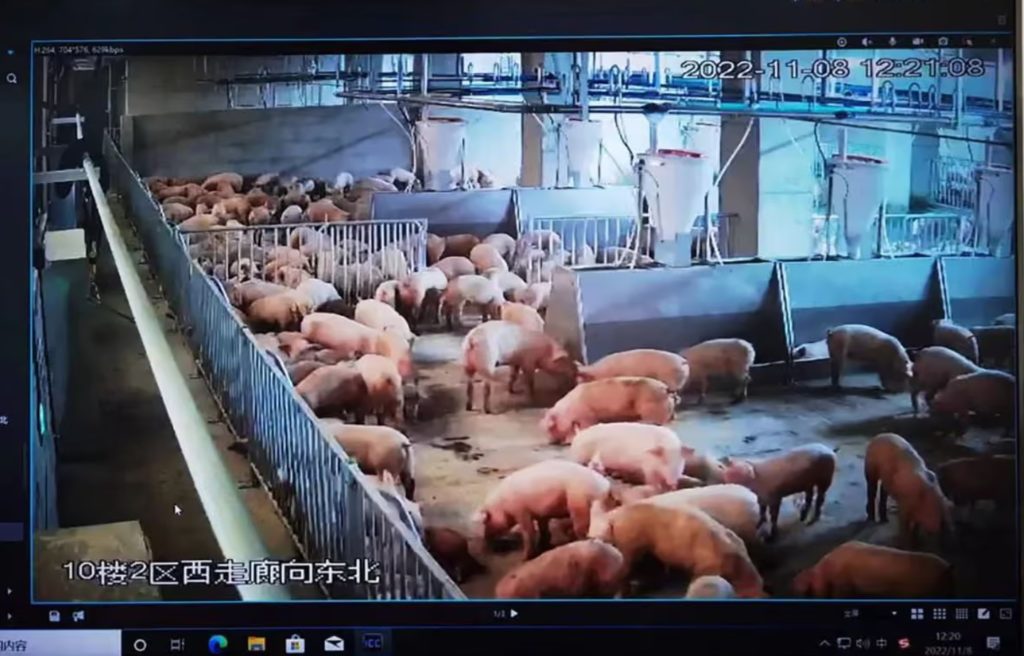
Inside a 26 storey pig farm it looks similar to the inside of a barn – it’s just higher up.
Secondly, it makes me realise that industrial food production is, well, happening on an industrial scale; this is just a logical extension of the winter barn, where pigs are raised indoors. How else can you feed millions of people?
Maybe I am shocked by how little I know about the bacon and sausages I eat. I have been wary of sausages for years, hearing stories about what’s in them, but I had not linked it back to animal welfare before. This makes it seem more of an issue to me rather than a traditional, single-storey farm.
Are there thresholds of disgust in each category of food? Is it OK to rear chickens inside, but not cows? What about salmon farms, prawn ponds or even vertically farmed lettuces? Is it just that pigs are a bit grubbier and we know they love troughing up the ground and rolling in the mud, that makes us think about welfare more?
Thirdly, maybe I am being racist? If this wasn’t a Chinese multi-storey pig farm would it be more acceptable to me? Would I even hear about it? As the media likes to pump out anti-Chinese stories at the moment, am I just on the receiving end of propaganda? That said, I do hear about prawn farms in Thailand and Cambodia, and salmon farms in Scotland; but somehow that is less shocking. Have I become accustomed to these and will similary become so to multi-storey pig farms?
Lastly, I think it makes me realise that once you have crossed the Rubicon to eat meat or fish, is there any sense in limiting the ways it is produced (apart from health of course). Shouldn’t it just be economically done? Is a one story barn in Switzerland better than a multi-storey building in Hubei? Does higher ‘animal welfare’ make it more acceptable to eat pigs.
Yours, Seriously Challenged.
Guardian article: China’s 26 Storey Pig Skyscraper